Finding Leaders Worth Following
Finding Leaders Worth Following
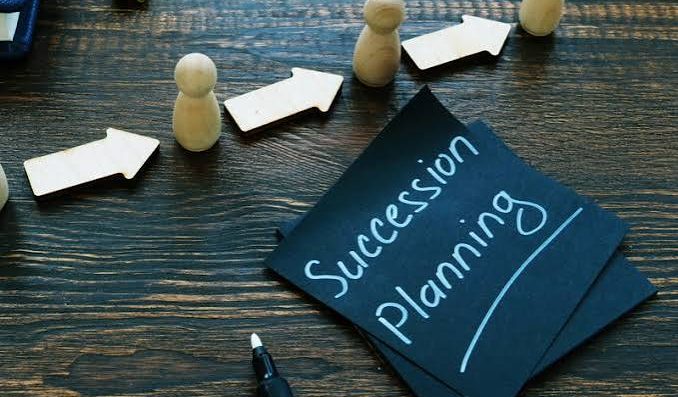
Building Tomorrow's Leaders Before You Need Them
Organizations rarely fail because leadership changes.
They fail because leadership changes unexpectedly.
The strongest organizations do not wait for executive departures, retirements, or organizational disruption before identifying future leaders. They deliberately cultivate leadership pipelines that ensure continuity, preserve institutional knowledge, and minimize operational risk.
At Dr. Change, succession planning is more than identifying a replacement. It is a strategic process of evaluating organizational capability, identifying leadership potential, reducing succession risk, and preparing individuals to successfully lead when the time comes.
Through behavioral science, leadership assessment, psychometrics, structured evaluation, and evidence-based talent analysis, we help organizations build leadership benches that are prepared—not merely available.
Why Succession Planning Matters
Every organization is only one unexpected departure away from uncertainty.
Executive retirements.
Leadership turnover.
Rapid growth.
Internal promotions.
Mergers.
Organizational restructuring.
Without a deliberate succession strategy, organizations often resort to reactive hiring decisions that introduce unnecessary risk, disrupt operations, and weaken long-term performance.
Effective succession planning provides:
Succession planning is not about predicting the future.
It is about preparing for it.

Your next generation of leadership is already in line
Our Succession Planning Process
Every organization has different leadership structures, strategic objectives, and organizational cultures.
Rather than applying a one-size-fits-all framework, Dr. Change develops succession strategies aligned with each organization's business model, leadership philosophy, and long-term goals.
Our process may include:
Organizational Leadership Review
Understanding current leadership structure, strategic priorities, organizational risks, and future leadership needs.
Critical Role Identification
Identifying positions where leadership continuity has the greatest organizational impact.
Leadership Assessment
Evaluating current leaders and internal talent through structured interviews, behavioral assessment, psychometric tools, performance evidence, and leadership potential indicators.
High-Potential Identification
Identifying employees who demonstrate the behavioral competencies, learning agility, emotional intelligence, and leadership capacity necessary for future executive responsibility.
Leadership Readiness Analysis
Assessing bench strength and determining which individuals are:
Individual Development Planning
Creating evidence-based development plans that prepare future leaders through targeted experiences, coaching, education, mentoring, and stretch assignments.
Succession Strategy
Developing practical succession roadmaps that support leadership continuity across both short-term contingencies and long-term strategic planning.
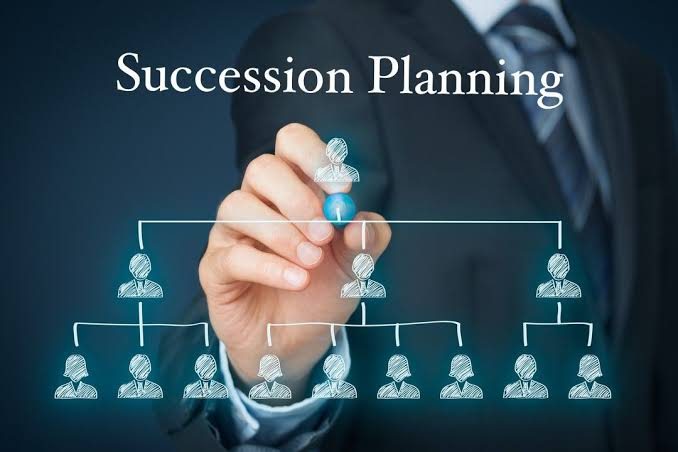
Succession Planning Services
Organizations may engage Dr. Change for a complete succession planning initiative or select individual components based on current needs.
Our services include:
Succession Planning for Organizations, Private Equity & Family Enterprises
Succession planning isn't simply identifying "who's next." It's ensuring your organization has the right leadership capabilities to thrive through transition.
Dr Change helps corporations, private equity firms, founder-led businesses, and family enterprises develop structured succession strategies that evaluate leadership readiness, identify capability gaps, and create sustainable leadership pipelines long before critical transitions occur.
Regardless if preparing for executive retirement, organizational growth, acquisition, or ownership transition, we help ensure continuity through objective leadership evaluation, not assumptions.
Family Business Succession
Passing a business to the next generation is one of the most important and emotionally complex decisions an owner will ever make.
While every parent says they love all their children equally (we're not here to challenge family legends), effective succession planning requires more than family ties. It requires evaluating leadership capability, business readiness, decision-making, emotional intelligence, and the ability to steward the organization into its next chapter.
Our process helps families make thoughtful, objective decisions that protect both relationships and the future of the business.
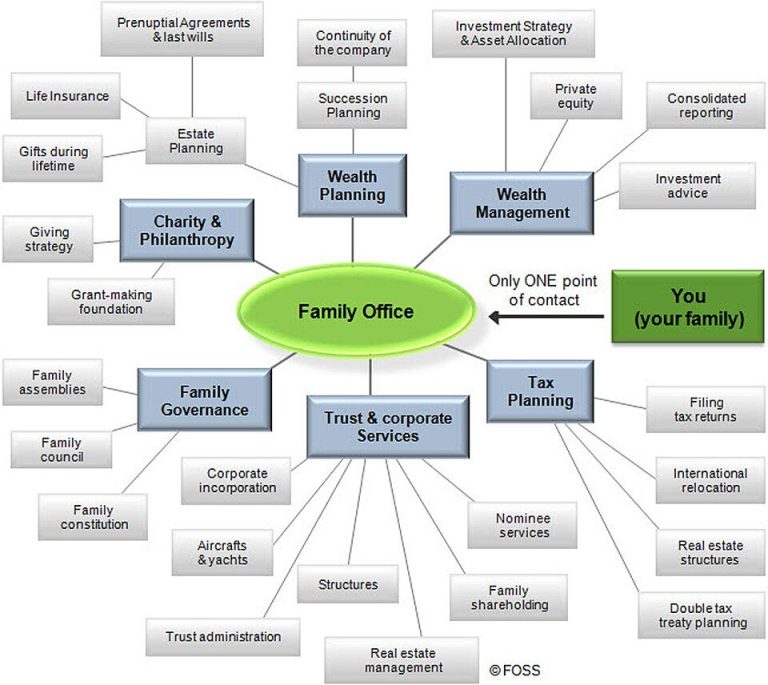
Who We Partner With
Our succession planning services support organizations where leadership continuity is critical to long-term success.
We work with:
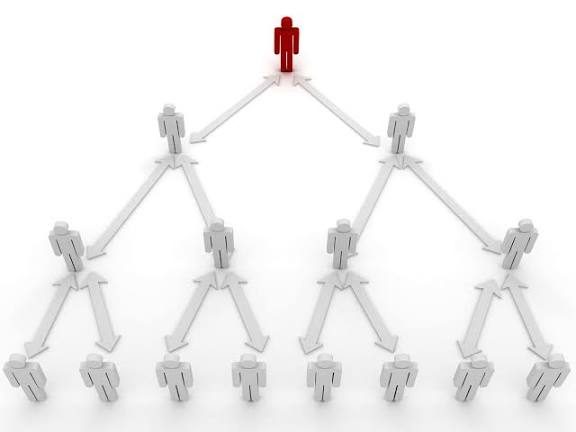
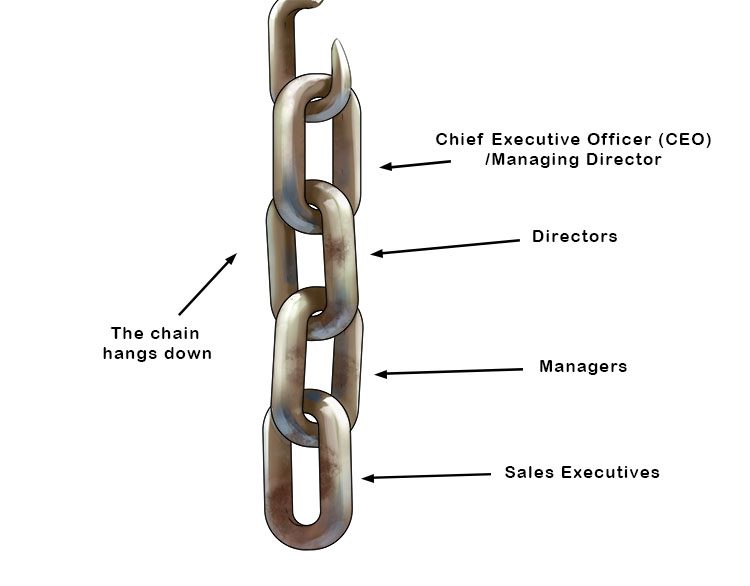
Most succession planning begins with organizational charts.
Ours begins with human behavior.
We combine organizational leadership research, behavioral science, psychometric assessment, structured interviews, and leadership analytics to move succession planning beyond intuition.
Rather than asking:
"Who has been here the longest?"
or
"Who's next in line?"
we ask:
"Who demonstrates the capability, judgment, adaptability, and leadership potential to successfully lead this organization into its next chapter?"
The result is a succession strategy grounded in evidence rather than assumptions.
Ideally, before it becomes necessary. Succession planning is most effective when integrated into long-term talent management rather than initiated in response to an unexpected vacancy.
No. While executive succession is critical, organizations also benefit from succession planning for other mission-critical leadership and technical positions.


Yes. Our process not only identifies future leaders but also highlights competency gaps and developmental opportunities to improve leadership readiness.
Absolutely. Leadership assessment provides the behavioral evidence that strengthens succession decisions and helps organizations distinguish leadership potential from past performance alone.
Leadership transitions shape organizations for years, sometimes decades.
Our succession planning philosophy is grounded in fairness, objectivity, transparency, and evidence.
We believe succession decisions should never rely solely on tenure, politics, familiarity, or subjective impressions.
Instead, organizations should evaluate leadership readiness through structured behavioral evidence, demonstrated competencies, organizational needs, and long-term strategic alignment.
Because selecting tomorrow's leaders deserves the same rigor as selecting today's.
Organizations that prepare for leadership transitions outperform those forced to react to them.
Whether you're establishing your first succession strategy, strengthening leadership pipelines, or evaluating future executive talent, Dr. Change provides evidence-based succession planning designed to reduce uncertainty and build lasting organizational resilience.
Let's start building tomorrow's leadership today.
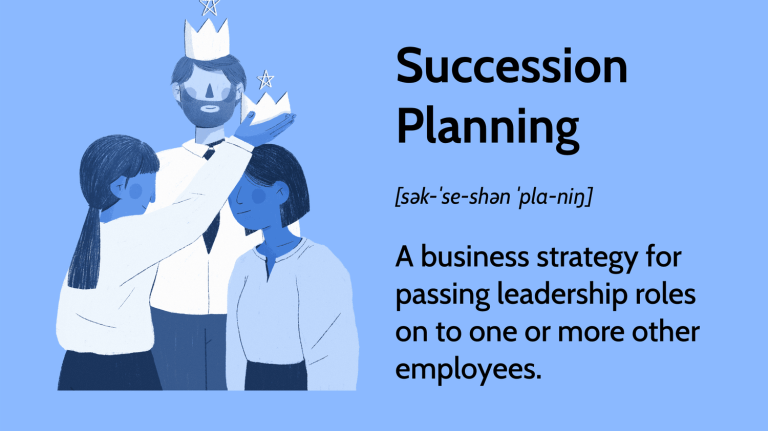
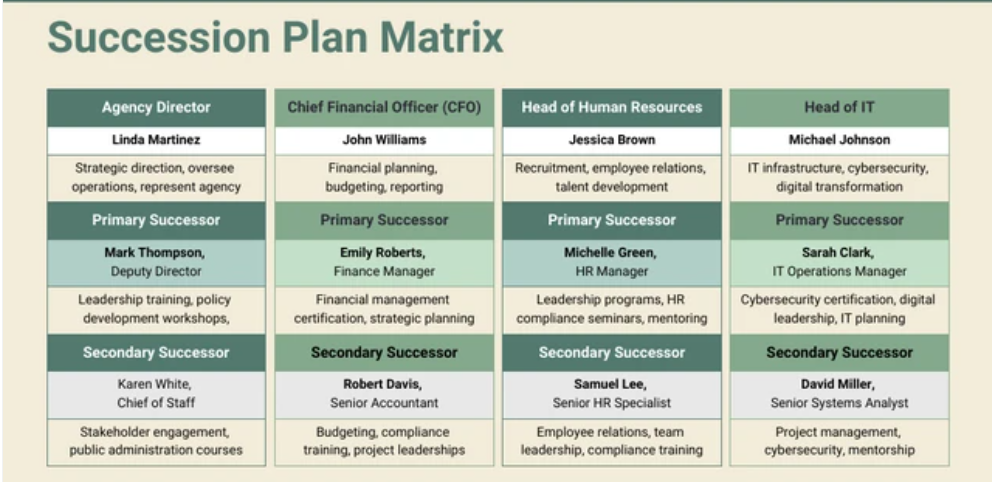
We need your consent to load the translations
We use a third-party service to translate the website content that may collect data about your activity. Please review the details in the privacy policy and accept the service to view the translations.