Ethical Governance for People & AI
Ethical Governance for People & AI
Govern AI with the Same Discipline You Govern People
Artificial intelligence is rapidly transforming how organizations make decisions, deliver services, manage risk, and create value. Yet while AI adoption continues to accelerate, governance often struggles to keep pace.
Organizations increasingly rely on AI to support hiring, healthcare, finance, customer service, operations, compliance, and strategic decision-making. Without effective governance, however, AI systems can introduce unintended bias, privacy violations, regulatory exposure, reputational damage, operational risk, and a loss of stakeholder trust.
Responsible AI Governance ensures that artificial intelligence remains transparent, accountable, ethical, and aligned with organizational values throughout its entire lifecycle, from initial planning and implementation to ongoing monitoring and oversight.
At Dr. Change, we help organizations establish practical governance systems that enable innovation while protecting people, maintaining compliance, and preserving organizational integrity.

Navigating the AI Airspace: Why Your Organization Needs a Control Tower 🛩️🤖
Imagine your company’s AI initiatives as airplanes. Right now, you might have a few experimental models taking off. But as LLMs, predictive algorithms, and automated workflows multiply, your digital airspace gets crowded fast.
Without coordination, you face a high risk of organizational collisions, costly model drift, compliance violations, or ethical blind spots.
Responsible AI isn't about grounding your fleet; it’s about building a robust Control Tower. True AI Governance provides real-time visibility, ensures every system stays on a compliant flight path, and establishes clear safety protocols before chaos hits the runway.
At Dr. Change, we provide the independent oversight and risk frameworks organizations need to scale intelligent systems safely. Is your control tower ready for takeoff?
Artificial intelligence is much like fire.
Properly understood, carefully managed, and responsibly governed, fire has transformed civilization. It warms our homes, cooks our food, illuminates the darkness, powers industry, and has enabled humanity to flourish. In the wilderness, a single fire can mean the difference between survival and certain death.
Yet the very same fire, left unattended or poorly governed, can consume everything it was meant to protect. It can destroy homes, devastate communities, and leave lasting damage long after the flames are gone.
Artificial intelligence is no different.
When responsibly governed, AI can accelerate innovation, enhance decision-making, improve operational efficiency, strengthen research capabilities, reduce costs, personalize customer experiences, detect fraud, improve patient outcomes, increase productivity, and create tremendous competitive advantage.
But AI deployed without governance carries equally significant risks.
Poorly governed AI can introduce bias into hiring and lending decisions, expose sensitive information, violate privacy laws, generate inaccurate recommendations, amplify cybersecurity vulnerabilities, create regulatory liability, damage organizational reputation, erode stakeholder trust, increase legal exposure, undermine employee confidence, and ultimately threaten an organization's financial stability.
The question is not whether organizations should use artificial intelligence.
The question is whether they can govern it responsibly.
Just as civilization learned that fire requires rules, safeguards, oversight, and responsible stewardship, organizations must recognize that artificial intelligence requires governance—not because AI is inherently dangerous, but because powerful tools demand responsible leaders.
Technology creates possibility.
Governance determines whether that possibility becomes progress or catastrophe.
Fire did not change humanity because it existed. It changed humanity because we learned to govern it. Artificial intelligence will be no different.
Responsible Governance is the Difference..
"People ask me whether AI is dangerous.
I usually answer with another question.
Is fire dangerous?
Fire can save your life...
Fire can also destroy your home...
The difference isn't the fire.
The difference is governance."
- Dr James V. Walker



Tagline
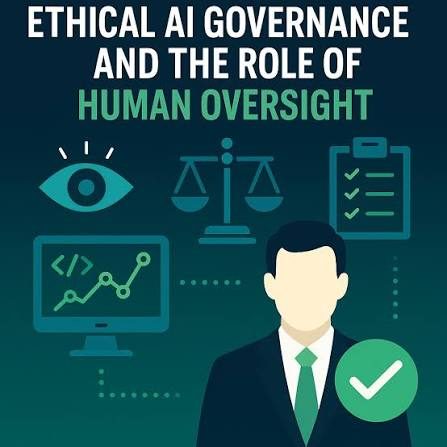
Artificial intelligence should never operate without responsible human oversight.
without clear governance expose themselves to significant operational, ethical, legal, and reputational risks.
Without effective AI governance, organizations may face:
Responsible AI does not equate to slowing innovation.
It embraces innovation while remaining trustworthy, explainable, accountable, and aligned with the organization's mission, values, and risk tolerance.
Responsible AI governance is rapidly evolving from a competitive advantage into a business necessity. As frameworks such as NIST AI RMF, ISO/IEC 42001, and the EU AI Act shape global best practices, and as U.S. regulatory expectations continue to mature, organizations that proactively establish governance, documentation, oversight, and risk management capabilities will be better prepared for future regulation while building trust, resilience, and long-term organizational value.
Ethical Human Oversight Remains Essential
Artificial intelligence can accelerate decision-making.
It cannot replace ethical judgment.
Effective governance requires people—not algorithms—to remain accountable for decisions that affect employees, customers, patients, students, investors, and society.
Organizations increasingly recognize that successful AI adoption depends upon more than technology alone.
It requires leadership.
It requires governance.
It requires ethical accountability.
Dr. Change combines expertise in organizational leadership, ethical governance, behavioral science, and evidence-based evaluation with emerging Responsible AI governance frameworks to help organizations govern both human leadership and intelligent systems responsibly.
The future belongs to organizations that successfully integrate technological innovation with principled human oversight.



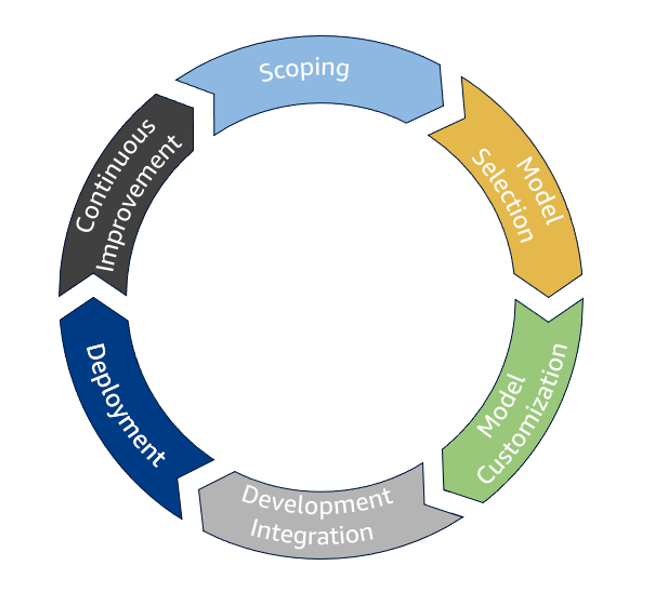

Phase I — AI Governance Readiness Assessment™
Purpose
Evaluate the organization's current AI governance capabilities, governance maturity, organizational readiness, leadership preparedness, and existing governance infrastructure before widespread AI deployment.
Activities
Deliverable
AI Governance Readiness Report
Purpose
Identify, evaluate, and prioritize organizational risks associated with AI systems before deployment and throughout their operational lifecycle.
Activities
Deliverable
Responsible AI Risk Assessment Report
Purpose
Align organizational objectives, governance structures, regulatory requirements, and AI strategy into a unified governance model.
Activities
Deliverable
AI Governance Alignment Report
A governance blueprint aligning organizational strategy with internationally recognized Responsible AI frameworks.
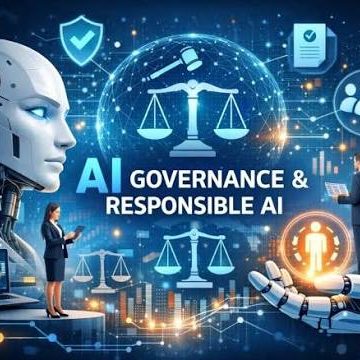



Purpose
Establish practical governance processes, documentation, and operational controls that enable responsible AI deployment across the enterprise.
Activities
Deliverable
Responsible AI Governance Manual
Comprehensive governance documentation supporting consistent, ethical, and accountable AI operations.
Purpose
Provide executive leadership with strategic recommendations for long-term Responsible AI governance, organizational resilience, and continuous improvement.
Recommendations May Include
Deliverable
Executive Responsible AI Advisory Report
A strategic roadmap for implementing, governing, and continuously improving Responsible AI across the organization.
Purpose
Responsible AI governance does not end after implementation.
As AI technologies evolve, governance systems must evolve alongside them.
Activities
Deliverable
Responsible AI Governance Assurance Report
Ongoing evaluation ensuring AI systems remain trustworthy, compliant, transparent, and aligned with organizational objectives.
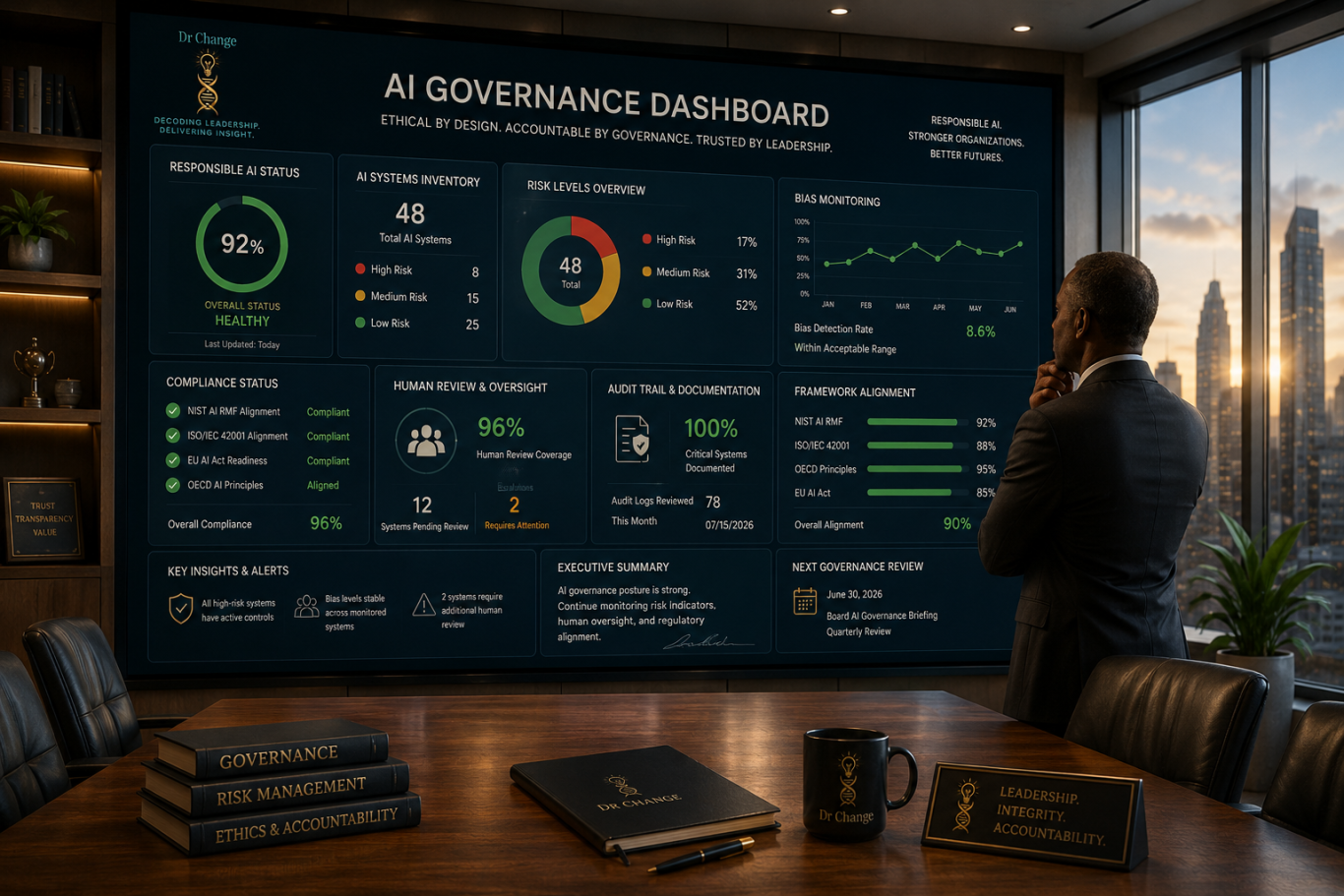
Lorem ipsum dolor sit amet, consectetur adipiscing elit. Nulla euismod condimentum felis vitae efficitur. Sed vel dictum quam, at blandit leo.
The Responsible AI Governance Framework™ incorporates principles and best practices drawn from internationally recognized governance frameworks, including:
The framework is designed to remain adaptable as regulations and industry standards continue to evolve.
Ethical Governance for the Future
Responsible AI is not simply a technology initiative.
It is a leadership responsibility.
Organizations that successfully govern artificial intelligence will strengthen innovation, improve decision quality, reduce organizational risk, and build lasting trust with employees, customers, regulators, and stakeholders.
At Dr. Change, we believe the future of governance requires more than managing people or managing technology independently.
It requires governing both, together.
Ready to Build Trustworthy AI?
Whether your organization is exploring AI for the first time or expanding enterprise-wide adoption, Responsible AI Governance begins with a clear strategy, strong leadership, and practical governance.
Schedule a consultation to discover how the Responsible AI Governance Framework™ can help your organization implement AI responsibly while strengthening organizational integrity, reducing risk, and building long-term trust.
We need your consent to load the translations
We use a third-party service to translate the website content that may collect data about your activity. Please review the details in the privacy policy and accept the service to view the translations.