Ethical Governance for People & AI
Ethical Governance for People & AI
Every leadership decision has consequences.
Selecting the right executive. Identifying future leaders. Building succession pipelines. Resolving organizational conflict. Developing high-potential talent. Designing effective teams.
These decisions should be informed by objective evidence, not assumptions.
Evidence-Based Leadership Decisions Begin with Better Assessment

Why Comprehensive Leadership Assessment?
Leadership is multidimensional.
No single assessment can accurately explain how someone will think, lead, communicate, influence others, respond under pressure, or perform in increasingly complex roles.
Effective leadership assessment requires multiple sources of evidence.
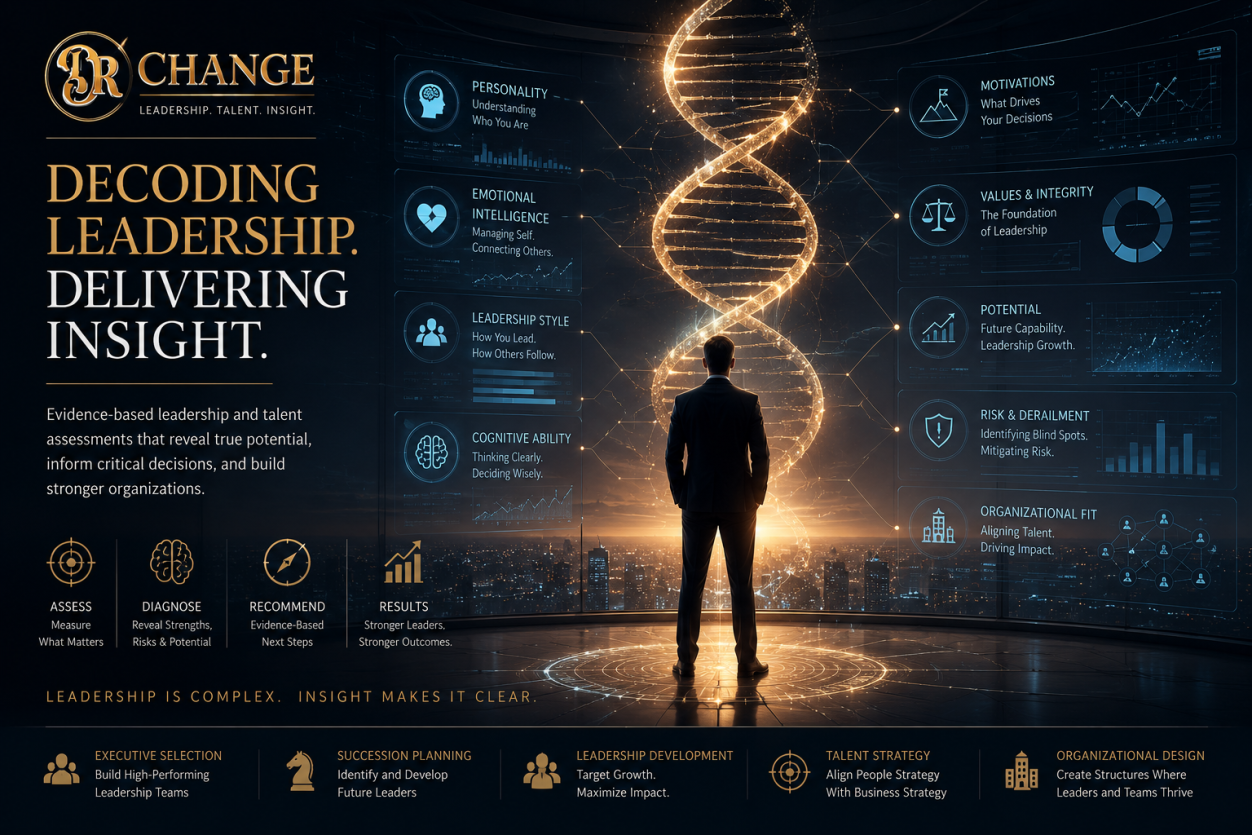
Our framework evaluates the individual across complementary domains to provide organizations with a more complete understanding of leadership strengths, developmental opportunities, behavioral risks, and long-term potential.
The result is greater confidence in leadership decisions and more targeted development strategies.
Our methodology integrates multiple assessment domains into one comprehensive leadership evaluation.
Each area provides valuable insight independently, while together they create a high-resolution picture of leadership capability and organizational effectiveness.

🌬 Leadership Character & Identity
Understanding the Character Behind the Leader
Ethical leadership begins with character before it is expressed through behavior.
This domain examines the enduring personal qualities that shape how leaders think, make decisions, exercise judgment, and align their actions with organizational values. By combining personality science with character assessment, organizations gain insight into the internal foundations of ethical leadership, not simply how leaders behave, but why they lead the way they do.
The evaluation explores:
These insights help organizations understand how leaders are likely to influence culture, build trust, navigate complexity, and steward organizational responsibility.
Organizational Applications
Representative Assessment Methods
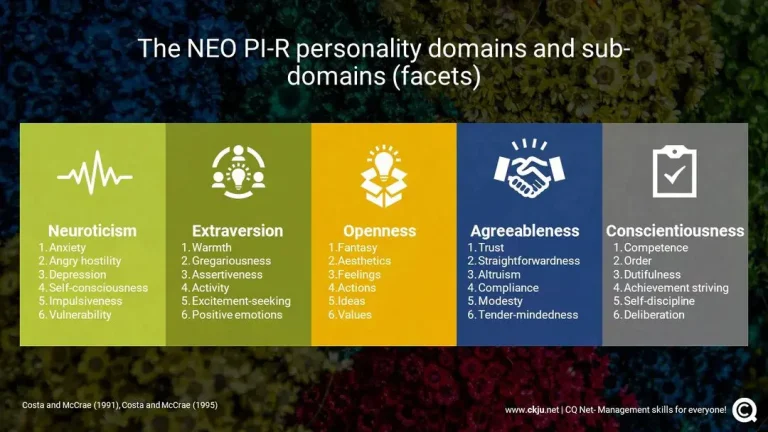
NEO PI-3®
Provides a comprehensive evaluation of enduring personality characteristics that influence leadership effectiveness, ethical judgment, resilience, interpersonal style, and organizational behavior.
Leadership Character Insight Assessment (LCIA)
Evaluates the foundational virtues associated with ethical leadership, including:
Change Style Indicator®
Measures individual preferences for approaching change, adaptability, and responses to organizational transformation, helping leaders understand how they naturally navigate uncertainty and lead change initiatives.
Key Questions
Who is this leader when no one is watching?
What values, character, and personal identity shape this leader's decisions?


🔥 Leadership Behavior Deployment
Understanding How Leaders Influence, Inspire, and Mobilize Others
Character provides the foundation of leadership.
Behavior determines its impact.
This domain evaluates how leaders translate their values into action through communication, influence, decision-making, and day-to-day leadership behaviors. It examines how effectively leaders inspire trust, articulate vision, build commitment, and foster accountability across teams and organizations.
Organizations gain insight into how leaders:
Rather than measuring what leaders intend to do, this domain examines how leadership is experienced by those they lead.
Organizational Applications
Representative Assessment Methods
Leadership Styles Profile – Research Edition (LSP-R)
Evaluates how leaders naturally exercise authority, influence others, communicate expectations, delegate responsibility, and adapt their leadership approach across organizational situations.
Multifactor Leadership Questionnaire (MLQ)
Measures transformational, transactional, and passive leadership behaviors, providing evidence of a leader's ability to inspire, motivate, develop others, and drive organizational performance.
Authentic Leadership Questionnaire (ALQ)
Assesses authentic leadership through self-awareness, relational transparency, balanced decision-making, and an internalized moral perspective, providing insight into leadership authenticity and ethical influence.
Key Questions
How does this leader lead others?
How effectively does this leader translate character into influence, build trust, and inspire ethical organizational performance?


🌊 Emotional Intelligence (Ethical EQ)
Understanding the Emotional Foundations of Ethical Leadership
Leadership requires more than intelligence.
It requires emotional wisdom.
This domain evaluates the emotional and interpersonal competencies that enable leaders to build trust, exercise sound judgment under pressure, navigate conflict constructively, and foster psychologically safe, high-performing teams.
Leaders with strong emotional intelligence are better equipped to manage complexity, regulate their emotions, understand the perspectives of others, and consistently model ethical leadership behaviors.
This evaluation examines:
These competencies influence executive presence, organizational culture, collaboration, and the ability to lead with integrity during periods of uncertainty and change.
Organizational Applications
Representative Assessment Methods
EQ-i 2.0® (Emotional Quotient Inventory)
Measures emotional intelligence across fifteen scientifically validated competencies that influence leadership effectiveness, decision-making, resilience, and interpersonal performance.
EQ 360®
Provides confidential multi-rater feedback from supervisors, peers, direct reports, and other stakeholders to compare self-perception with observed leadership behaviors.
MEIA-R® (Multidimensional Emotional Intelligence Assessment – Revised)
Evaluates how emotional intelligence is translated into observable workplace behavior, providing insight into the practical application of emotional competencies in leadership and organizational settings.
Key Questions
How does this leader relate to other people?
How effectively does this leader understand, regulate, and leverage emotions to build trust, strengthen relationships, and lead with integrity?

The most difficult leadership decisions rarely have obvious answers.
This domain evaluates the cognitive capabilities required to navigate complexity, uncertainty, and competing stakeholder interests when policies, regulations, or established procedures alone cannot resolve the issue.
Effective ethical leaders combine sound reasoning with principled judgment, analyzing complex situations, recognizing unintended consequences, balancing competing priorities, and making decisions that protect both organizational performance and long-term trust.
This evaluation examines:
These competencies influence executive decision quality, governance effectiveness, organizational resilience, and the ability to lead responsibly through uncertainty and change.
Organizational Applications
Representative Assessment Methods
Raven's Advanced Progressive Matrices®
Measures abstract reasoning, fluid intelligence, cognitive complexity, and the capacity to recognize patterns and solve novel problems independent of prior knowledge.
Dr. Change Ethical Leadership Simulations™
Proprietary executive case scenarios that evaluate ethical reasoning, judgment, stakeholder analysis, and decision-making when leaders face complex organizational dilemmas where no single "correct" answer exists.
Key Questions
How does this leader think through difficult decisions?
How effectively can this leader think through complex ethical dilemmas, navigate ambiguity, and make principled decisions under pressure?


👤 Leadership Conduct Risk & Derailment
Understanding the Hidden Risks That Can Undermine Leadership
Every leader has strengths. Every leader has blind spots.
Leadership failures rarely occur overnight.
More often, they emerge gradually through unmanaged stress, unchecked ego, poor judgment, overconfidence, defensiveness, or the erosion of accountability.
This domain evaluates behavioral patterns and leadership vulnerabilities that may compromise executive effectiveness, organizational trust, ethical decision-making, or long-term leadership success.
Rather than waiting for these risks to surface through conflict or organizational failure, organizations can proactively identify and address them before they become costly leadership liabilities.
This evaluation examines:
By identifying these hidden vulnerabilities early, organizations can make more informed hiring, promotion, succession, and leadership development decisions.
Organizational Applications
Representative Assessment Methods
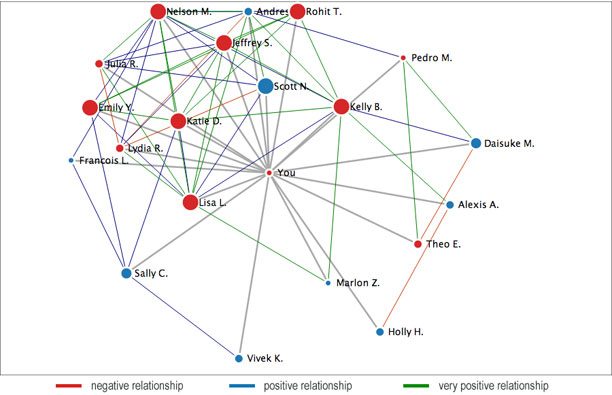
Sigma Leadership Development Report (LDR)
Identifies leadership strengths, developmental opportunities, and behavioral tendencies that may hinder executive effectiveness or contribute to leadership derailment.
Nonverbal Personality Questionnaire (NPQ)
Measures underlying personality characteristics associated with leadership behavior, resilience, interpersonal dynamics, and potential conduct risk while minimizing response distortion and social desirability bias.
Key Questions
What could undermine their leadership?
What hidden behavioral risks or leadership blind spots could compromise this leader's effectiveness, ethical judgment, or organizational trust?



Extended Assessment & Evaluation Library
Comprehensive Assessment Solutions for Complex Leadership Decisions
No two leadership decisions are exactly alike.
While the Dr. Change Ethical Leadership Governance System™ features a curated portfolio of flagship instruments across leadership character, leadership behavior, emotional intelligence, ethical judgment, and leadership conduct risk, many organizational engagements require more specialized evaluation methods.
Depending on the objectives of the engagement, additional assessment instruments may be incorporated to provide deeper insight into leadership capability, cognitive functioning, organizational fit, team dynamics, workplace culture, or executive potential.
Organizations commonly ask:
Rather than relying on a standardized assessment battery, every engagement is designed around the specific organizational decision being made.
The result is a customized evaluation process that provides clear, objective, and actionable recommendations.
Areas of Assessment
Additional assessment capabilities include:
Leadership & Executive Effectiveness
Personality & Behavioral Assessment
Cognitive Ability & Executive Reasoning
Organizational & Team Assessment
Representative Assessment Instruments
Examples include:
Additional scientifically validated assessment instruments may be incorporated when appropriate to support the specific objectives of an engagement.
Advanced Executive Evaluation
Certain executive engagements require a deeper understanding of cognitive reasoning, decision-making capacity, and executive problem-solving.
When appropriate, Dr. Change incorporates advanced cognitive assessment methods, including professionally administered intelligence and reasoning instruments to provide additional insight into executive capability, leadership potential, and complex decision-making.
These evaluations are particularly valuable for:
Purpose-Built Evaluation Systems
Assessment should never be driven by the availability of an instrument.
It should be driven by the decision the organization needs to make.
Every evaluation is designed around the specific organizational objective, integrating only those assessment methods that provide meaningful, job-relevant, and evidence-based insight. All instruments are administered and interpreted in accordance with professional, ethical, and legal standards to ensure validity, fairness, confidentiality, and organizational relevance.
Leadership does not exist in isolation. When appropriate, individual leadership assessments are supplemented with organizational context through stakeholder interviews, structured focus groups, organizational surveys, and other diagnostic methods. This integrated approach ensures recommendations are grounded not only in individual capability, but also in organizational realities, strategic objectives, and workforce dynamics.
For succession planning, executive selection, and leadership pipeline decisions, broader organizational insight is often essential. Understanding team dynamics, reporting relationships, organizational culture, and future leadership requirements provides the context necessary to evaluate not only who can succeed today, but who is best positioned to lead tomorrow.

For Organizations – Strategic People Solutions
Who We Serve
Dr. Change partners with organizations across sectors, including:
• Corporate Organizations
• Healthcare Systems
• Higher Education
• Government Agencies
• Nonprofit Organizations
• Technology Companies
• Professional Services Firms
• Executive Search Firms
• Leadership Development Consultancies
• Human Resources & Talent Management Teams
Every Organization Is Different
Leadership assessment is not one-size-fits-all.
Every engagement is tailored to the organization's objectives, leadership level, assessment scope, talent management, and reporting requirements.
Whether evaluating an individual executive, an emerging leader, a project team, or an organization's leadership pipeline and succession hierarchy, Dr. Change develops an assessment strategy aligned with your unique organizational needs.
Ready to Strengthen Your Leadership Decisions?
Contact us today to discuss your leadership assessment and evaluation needs or request a customized proposal.



Leadership Assessment & Career Advancement for Individuals
👑
Invest in Yourself Before Others Invest in You
While Dr. Change primarily partners with organizations, many professionals seek objective insight into their own leadership capabilities before pursuing their next career opportunity or leadership role.
Whether you aspire to become an executive, earn a promotion, transition into management, launch a business, lead a nonprofit or civic organization, or simply become a more effective leader in your personal and professional life, a comprehensive leadership assessment provides a roadmap for intentional growth.
Rather than guessing where to improve, our assessment process identifies your greatest strengths, developmental opportunities, leadership tendencies, and potential behavioral risks through scientifically validated assessment and evidence-based evaluation.
Beyond Skills: Leadership Character
Technical competence may open doors.
Leadership character determines how long they remain open.
In today's organizations, leaders are increasingly evaluated not only on results, but on how they achieve them. Integrity, accountability, judgment, emotional intelligence, and ethical decision-making influence trust, credibility, and long-term leadership success.
Your assessment explores both the competencies you possess and the character you demonstrate, providing a more complete picture of your readiness for leadership.
Ideal for Professionals Who Want To:
✔ Prepare for executive or management opportunities
✔ Strengthen leadership effectiveness
✔ Increase promotion readiness
✔ Navigate career transitions
✔ Improve interviewing and executive presence
✔ Develop greater emotional intelligence
✔ Build stronger teams and relationships
✔ Lead entrepreneurial ventures more effectively
✔ Enhance nonprofit, volunteer, or community leadership
✔ Better understand their leadership personality and decision-making style
✔ Gain objective insight before investing in coaching or leadership development
Assessment Before Development
Effective development begins with an accurate diagnosis.
Too often, individuals invest significant time and resources in coaching, leadership programs, or professional development without first understanding what actually needs improvement.
Dr. Change provides an objective evaluation of your leadership profile before development begins.
Our assessment process helps answer questions such as:
Your Leadership Development Prescription
Think of Dr. Change as your leadership diagnostic practice.
Just as a physician evaluates symptoms before recommending treatment, our role is to assess leadership capability, interpret behavioral data, and identify the developmental priorities most likely to improve future performance.
Following your evaluation, you receive evidence-based recommendations that may include:
• Executive coaching priorities
• Leadership development recommendations
• Emotional intelligence development
• Communication and influence strategies
• Conflict management training
• Decision-making development
• Organizational leadership education
• Professional certifications
• Graduate education pathways
• Recommended books, assessments, and learning resources
• Career planning and leadership progression strategies
Rather than prescribing the same solution for everyone, recommendations are tailored to your unique leadership profile, career aspirations, and assessment results.
Following your assessment, you will receive a comprehensive evaluation report along with evidence-based recommendations outlining the leadership competencies, developmental priorities, and next steps most appropriate for your goals. Rather than providing ongoing executive coaching directly, Dr. Change serves as an independent assessment practice, helping clients identify the type of coaching, leadership development, education, or professional resources that will deliver the greatest return on their investment.
From Insight to Action
Leadership assessment is not an end in itself.
It is the foundation for purposeful growth.
By understanding your leadership profile through objective assessment, you can invest your time, education, coaching, and professional development where they will have the greatest impact.
The result is a more intentional path toward stronger leadership, greater career opportunities, and long-term professional success.
Request an Assessment Consultation

We need your consent to load the translations
We use a third-party service to translate the website content that may collect data about your activity. Please review the details in the privacy policy and accept the service to view the translations.