Understanding Talent From The Inside Out
Understanding Talent From The Inside Out

Leadership Insight & Resources
Evidence. Perspective. Better Decisions
Welcome to the Dr. Change Resource Center, a collection of articles, research, and thought leadership exploring the science of ethical leadership, emotional intelligence, talent assessment, organizational effectiveness, and human behavior.
Many articles draw upon timeless philosophical traditions to provide fresh perspectives on modern organizational challenges, while others explore emerging research, practical leadership applications, and a bit of humor, because even serious work benefits from perspective.
Whether you're an executive, HR leader, educator, student, or lifelong learner, these resources are designed to help you better understand leadership and make more informed decisions.
"I'm smart! Not like everybody says… like dumb. I'm smart and I want respect."
Fredo Corleone, The Godfather Part II
It's one of the most revealing moments in The Godfather.
Fredo isn't simply expressing frustration.
He's revealing years of feeling overlooked, underestimated, and excluded.
While few workplace conflicts reach Corleone-family proportions, many organizations have their own version of "Fredo", a capable employee whose disengagement gradually evolves into resentment, withdrawal, poor collaboration, or even counterproductive behavior.
The question isn't simply:
"How do we deal with difficult employees?"
A better question is:
"How did we fail to recognize the warning signs?"
Talent risk rarely appears overnight.
It often develops through a combination of:
• Misaligned roles
• Limited growth opportunities
• Poor manager-employee communication
• Low psychological safety
• Unrecognized contributions
• Inadequate leadership capability
• Weak succession planning
These aren't just management problems.
They're assessment opportunities.
Organizations that invest in structured interviews, 360-degree feedback, leadership assessments, employee listening strategies, and evidence-based talent reviews are often better positioned to identify disengagement before it becomes dysfunction.
Sometimes an employee truly isn't the right fit.
Sometimes they're a future leader who has never been accurately assessed or properly positioned.
The challenge is knowing the difference.
The goal isn't to create more Fredos.
It's to identify talent, understand risk, and make informed decisions before frustration turns into organizational cost.
Question: How does your organization distinguish between a disengaged employee and an overlooked high-potential, and what evidence informs that decision?
Money Goes Uphill.
Problems Flow Downhill.
"Money goes uphill. Sht goes downhill." is often attributed to blue-collar culture and popularized by Tony Soprano.
Crude?
Absolutely.
Accurate?
Sometimes.
The quote captures a reality many employees recognize: rewards often move upward through the hierarchy, while stress, blame, and operational friction accumulate at the front lines.
But rather than asking whether leaders are "good" or "bad," I think a better question is:
What organizational conditions allow this pattern to develop?
From my perspective, the issue is rarely one individual. It's often a combination of:
• Leadership capability gaps
• Poor role alignment
• Weak manager selection
• Inadequate succession planning
• Low emotional intelligence
• Misaligned incentives
• Organizational culture that rewards results without measuring leadership behaviors
These problems aren't solved through motivational speeches or another leadership workshop.
They're solved by better diagnosis.
Organizations routinely assess financial performance, operational performance, and customer satisfaction.
Far fewer systematically assess leadership effectiveness with the same rigor.
Evidence-based assessments, structured interviews, 360-degree feedback, and organizational diagnostics provide leaders with something opinions cannot:
Data.
Data reveals where leadership is strong.
Data reveals where risk is emerging.
Data reveals where future leaders should be developed before problems become crises.
Healthy organizations don't simply reward performance.
They measure leadership capability, identify blind spots, and build systems that support both accountability and trust.
Because sustainable organizational performance isn't created by hierarchy alone.
It's created by putting the right leaders in the right roles and giving them the insight to succeed.
"True power lies in the ability to influence without being seen." - Lao Tzu
Not everyone is built to be the CEO.
And that's not a weakness.
It's often a strategic advantage.
Silvio Dante wasn't Tony Soprano.
He was the Consigliere, the trusted advisor, stabilizer, and strategist who exercised tremendous influence without needing to occupy the top position.
History offers similar examples. Meyer Lansky wasn't the public face of organized crime, and throughout history we've seen advisors, chiefs of staff, and senior deputies whose influence often exceeded that of the person holding the highest title.
Organizations need these people.
The challenge is recognizing them.
One of the most common leadership mistakes is assuming that every high performer should follow the same career path.
They shouldn't.
Some individuals thrive by setting vision.
Others excel at execution.
Some are exceptional decision-makers.
Others become trusted advisors whose judgment strengthens every major decision.
The goal of leadership assessment isn't simply identifying who has the potential to lead.
It's identifying how each person creates value and where that value is most likely to flourish.
This is where evidence-based assessment becomes invaluable.
Psychometric assessments, structured interviews, competency modeling, and organizational context help distinguish between leadership potential, technical expertise, strategic influence, and operational excellence.
Not every outstanding contributor should become CEO.
Not every future executive should remain a specialist.
The right decision isn't looking to promote the loudest voice.
It's about placing the right talent in the right role at the right time.
Organizations don't succeed because everyone becomes Tony Soprano.
They succeed because they know who their Silvios are, and they value them accordingly.
Question: Does your organization have a reliable way to distinguish future executives from indispensable strategic advisors, or does it assume every top performer belongs on the same leadership path?

Too many professionals spend their careers trying to become someone they're not.
They pursue leadership positions because they believe they should, adapt their personalities to fit organizational expectations, or compare themselves to someone else's definition of success.
But leadership isn't about imitation.
It's about alignment.
The sun doesn't change its nature to accommodate the planets. It remains true to itself, and everything else finds its place in relation to it.
The same principle applies to leadership.
Some individuals are visionary innovators.
Others are exceptional operators.
Some excel as strategic advisors, while others thrive leading teams or executing complex initiatives.
The goal isn't to become someone else.
The goal is to discover where your natural strengths create the greatest value.
This is why leadership assessment matters.
Evidence-based assessments help distinguish confidence from competence, ambition from readiness, and potential from preference. They provide objective insight into personality, decision-making, emotional intelligence, leadership style, and behavioral tendencies, allowing individuals to pursue opportunities that align with who they are rather than who they think they should become.
Authenticity isn't simply "being yourself."
It's understanding yourself well enough to make intentional career and leadership decisions.
Lead from your strengths.
Develop your blind spots.
Build a career that aligns with your capabilities rather than someone else's expectations.
The brightest leaders don't spend their careers chasing another star.
They understand what kind of sun they were designed to be.
Question: If your next promotion depended on truly understanding your leadership strengths, decision-making style, and potential, would you rely on assumptions, or objective assessment?

In leadership, emotions often run high.
Uncertainty, frustration, resistance, and anxiety are natural human responses to change, conflict, performance feedback, and difficult decisions.
The mistake many leaders make is believing they must choose between facts and feelings.
The strongest leaders understand they need both.
Emotional intelligence isn't about avoiding difficult conversations or making everyone happy.
It's about recognizing emotions, your own and those of others, and responding with composure, empathy, and clarity.
Facts provide direction.
Emotional intelligence determines whether people are willing to follow.
Research consistently shows that emotions influence perception, decision-making, and behavior. Leaders who communicate with transparency, empathy, and credibility are better equipped to build trust, reduce unnecessary conflict, and navigate uncertainty.
As Frank Lopez told Omar in Scarface about Tony Montana:
"Get a guy like that on your side, he'll break his back for you."
Unfortunately for Frank, Tony didn't trust him.
All cinematic violence aside, commitment isn't built through authority alone.
It's earned through trust.
And trust is strengthened by emotional intelligence.
One of the greatest advantages of evidence-based leadership assessment is that emotional intelligence doesn't have to remain a mystery. Validated assessments can identify strengths, blind spots, and opportunities for development, providing leaders with objective insight into how they perceive, relate to, and influence others.
The best leaders don't ignore emotions.
They understand them.
They measure them.
And they use that insight to communicate with greater effectiveness, build stronger relationships, and make better decisions.
Question: If emotional intelligence influences trust, influence, and leadership effectiveness, are you relying on intuition or objective assessment to understand yours?

In Forrest Gump, our beloved main character says,
"I'm not a smart man..."
...at least not by traditional IQ standards.
Yet Forrest lived a life most people only dream about.
🏃♂️ Ran across America.
💼 Built a successful shrimping business.
🎖 Became a war hero.
💌 Loved deeply and remained loyal despite hardship.
How?
Perhaps not because of extraordinary cognitive ability, but because he consistently demonstrated many of the qualities associated with emotional intelligence.
Forrest remained calm under pressure.
He built genuine relationships.
He stayed grounded in his values.
He demonstrated resilience when others would have given up.
At one point, his drill sergeant even jokingly assumed he must have an IQ of 160, not because of genius-level intellect, but because of his composure, discipline, and ability to perform under pressure.
Those are leadership qualities organizations value every day.
Research has shown that emotional intelligence is associated with leadership effectiveness, teamwork, decision-making, resilience, and workplace performance. Daniel Goleman's groundbreaking work (Emotional Intelligence, 1995) helped popularize the idea that success depends on more than cognitive ability alone.
IQ may help solve complex problems.
EQ often determines how effectively leaders communicate, influence, manage conflict, and build trust.
This is why many organizations incorporate emotional intelligence into leadership assessment and talent evaluation.
Evidence-based instruments such as the EQ-i 2.0®, EQ 360®, MEIA-R, and MSCEIT® provide objective insight into competencies such as:
• Self-Perception
• Emotional Expression
• Stress Management
• Decision-Making
• Empathy
• Interpersonal Relationships
These insights can support leadership development, executive selection, succession planning, and high-potential identification by helping organizations understand not only what a leader knows, but how a leader thinks, responds, and connects with others.
Leadership Lesson
IQ may open the door.
Emotional intelligence often determines how effectively you lead once you're inside.
Question: If emotional intelligence influences leadership effectiveness, promotion readiness, and executive success, are you relying on intuition or objective assessment to understand yours?
Let's talk about one of leadership's greatest risks:
Success can create blind spots.
In one of the most memorable confrontations in modern cinema, Batman enters the fight carrying years of victories, a legendary reputation, and complete confidence.
Bane enters carrying something else.
Preparation.
Bruce Wayne had spent years away from the battlefield.
Bane had spent years preparing for it.
As Bane reminds him:
"You merely adopted the dark; I was born in it..."
Batman didn't lose because he lacked courage.
He lost because he assumed yesterday's capabilities were sufficient for today's challenge.
Organizations make this mistake every day.
High performers are promoted based on past success without evaluating whether they're prepared for future responsibilities.
Experienced leaders assume their instincts remain sharp without stopping to examine whether circumstances, organizations, or even they themselves have changed.
The result?
This is why leadership assessment matters.
Experience tells us where someone has been.
Assessment helps us understand where they're prepared to go.
Evidence-based assessments, structured interviews, and multi-source feedback provide objective insight into leadership capabilities, emotional intelligence, decision-making, derailment risk, and readiness for greater responsibility.
The best leaders don't wait until they're in the arena to discover they've grown rusty.
They seek feedback before performance declines.
They measure before they assume.
They assess before they advance.
Leadership Lesson
Past success should never replace present evaluation.
Leadership isn't proven once.
It's demonstrated continuously.
Question: If you were being considered for your next promotion today, would objective assessment confirm you're ready—or would it reveal blind spots that experience alone has concealed?
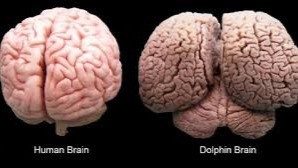
What if we've been asking the wrong question about intelligence?
Humans tend to define intelligence by our own accomplishments:
Cities.
Technology.
Engineering.
Language.
Tool-making.
But dolphins possess brains remarkably similar in size and complexity to ours.
Octopuses solve novel problems.
Elephants mourn their dead.
Crows manufacture tools and even use traffic patterns to crack nuts before retrieving them safely at crosswalks.
Each species demonstrates intelligence.
Just not in the same way.
Perhaps intelligence isn't a single ladder.
Perhaps it's a landscape.
The same lesson applies inside organizations.
Too often we evaluate people using narrow definitions of ability.
The loudest communicator is assumed to be the strongest leader.
The quickest thinker is assumed to be the smartest employee.
The most outgoing candidate is assumed to be the best fit.
Yet human capability is far more nuanced.
Some individuals possess exceptional analytical reasoning.
Others excel in emotional intelligence.
Some demonstrate extraordinary strategic judgment.
Others thrive through creativity, pattern recognition, relationship building, or systems thinking.
This is why evidence-based assessment matters.
Leadership and talent decisions shouldn't rely solely on resumes, interviews, or intuition.
Different questions require different measures.
Validated cognitive assessments such as the Wechsler Adult Intelligence Scale® (WAIS®) and Wechsler Abbreviated Scale of Intelligence® (WASI®) can provide objective insight into aspects of cognitive functioning when a comprehensive understanding of intellectual abilities is appropriate.
Other instruments evaluate emotional intelligence, personality, leadership style, decision-making, motivation, derailment risk, and behavioral tendencies.
Together, these assessments provide a more complete picture of human potential than any single score ever could.
The goal isn't to rank people.
It's to understand them.
Because the most valuable employee isn't always the one who thinks exactly like everyone else.
Sometimes the greatest competitive advantage lies in recognizing strengths that conventional measures overlook.
Leadership Lesson
The quality of your talent decisions depends on the quality of your assessment strategy.
Organizations that evaluate only one dimension of intelligence often miss extraordinary potential hiding in plain sight.
Questions:
• Are your hiring and promotion decisions evaluating the capabilities that truly predict success?
• Are you measuring intelligence, or merely rewarding familiarity?
• What exceptional talent might your organization be overlooking because it's using too narrow a definition of potential?
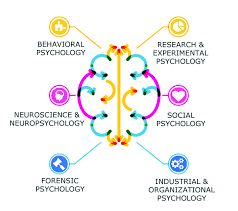
It Comes In Many Forms
When people hear the word assessment, they often assume something has gone wrong.
A poor performer.
A struggling leader.
A conflict that needs resolving.
But the most valuable assessments often happen before problems emerge.
Think about it this way.
Organizations don't wait for a financial crisis before conducting an audit.
They don't wait for a cyberattack before evaluating security.
They don't wait for a bridge to collapse before inspecting its structural integrity.
So why wait until leadership problems appear before evaluating leadership?
Leadership assessment isn't about finding what's wrong.
It's about understanding what's present.
It's about answering questions like:
🔹 Who is ready for greater responsibility?
🔹 What leadership strengths are being underutilized?
🔹 Where are potential derailment risks hiding?
🔹 Which candidates are the strongest long-term fit?
🔹 What developmental investments will produce the greatest return?
Evidence-based assessments help organizations make better decisions by replacing assumptions with data.
Using validated tools, including personality, cognitive, emotional intelligence, leadership, and behavioral assessments, alongside structured interviews and organizational diagnostics, we gain a more complete picture of leadership capability and future potential.
Just as important, individuals can benefit from the same process.
Whether preparing for a promotion, pursuing an executive role, launching a business, or simply becoming a more effective leader, assessment provides objective insight into strengths, blind spots, decision-making patterns, and opportunities for growth.
The goal isn't to label people.
It's to understand them.
Leadership Lesson
Assessment isn't a sign that something is broken.
It's a commitment to making better decisions before the stakes become higher.
Questions:
• Are you evaluating leadership only after problems appear?
• What opportunities could your organization uncover by assessing potential instead of reacting to performance?
• If someone asked you why you lead the way you do, would your answer be based on assumption—or evidence?
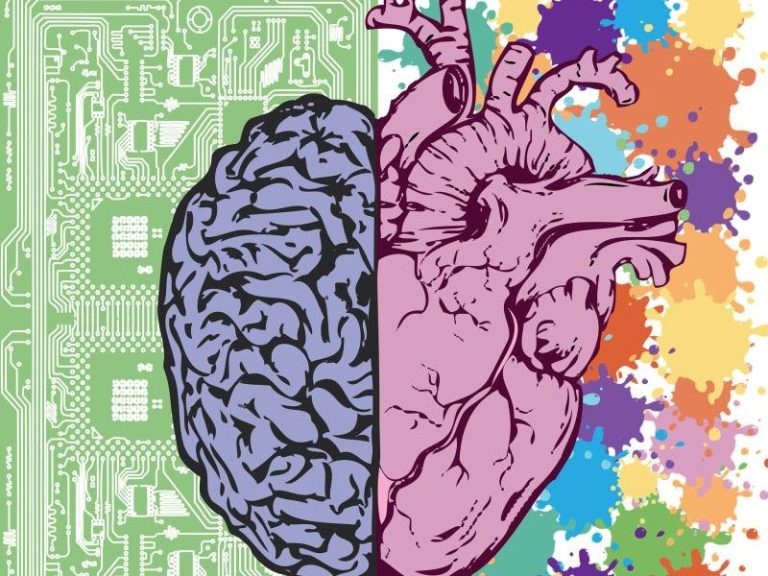
Negotiation Isn't Just a Skill. It's an Assessable Leadership Competency.
Professionals, negotiation is an unavoidable part of organizational life.
Whether you're interviewing for a position, discussing compensation, resolving conflict, managing change, or leading strategic partnerships, negotiation isn't about "winning." It's about creating outcomes that advance organizational objectives while preserving relationships.
The best negotiators don't approach every conversation as a battle.
They ask better questions:
✅ What can each party accomplish independently?
✅ What value can we create together?
✅ How can we reach an outcome that is both effective and sustainable?
Organizations often treat negotiation as an intangible soft skill.
In reality, it can be systematically assessed.
Behavioral and structured interviews provide valuable insight into how candidates prepare for difficult conversations, resolve conflict, influence stakeholders, manage competing interests, and balance advocacy with collaboration. Questions grounded in past behavior often reveal far more than hypothetical responses, helping organizations evaluate judgment, emotional intelligence, ethical reasoning, adaptability, and communication under pressure.
Psychometric assessments can complement these interviews by identifying behavioral tendencies associated with negotiation, including emotional regulation, interpersonal effectiveness, decision-making, stress tolerance, and conflict management. Together, these tools provide a richer understanding of how an individual is likely to negotiate, not just whether they claim to be a good negotiator.
Equally important is understanding what should be negotiated.
This is where organizational diagnostics become invaluable.
Stakeholder interviews, focus groups, organizational surveys, and broader diagnostic assessments often reveal underlying issues that aren't immediately visible: competing priorities, communication breakdowns, cultural misalignment, unclear decision authority, or conflicting incentives. By understanding the organizational context first, leaders enter negotiations focused on solving the right problems rather than merely debating positions.
Negotiation, therefore, is more than a communication skill.
It is a leadership competency that can be assessed, evaluated, and strengthened through objective evidence.
Leadership Lesson
The strongest negotiators don't rely on charisma or clever tactics.
They rely on preparation, self-awareness, emotional intelligence, and a clear understanding of both people and organizational context.
Questions:
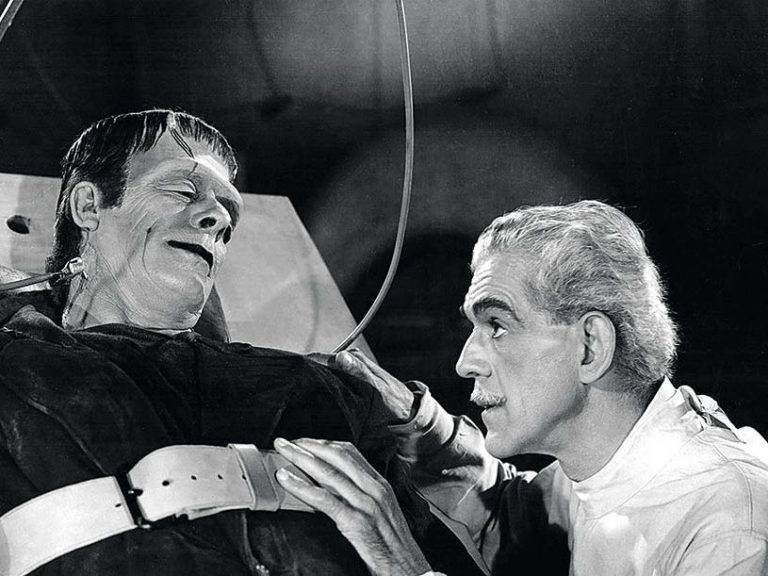
The Best Leaders Think for Themselves
Leadership isn't simply about influencing others.
It's also about resisting inappropriate influence yourself.
Every day, leaders are exposed to persuasive messages from organizational culture, social media, news outlets, peers, industry trends, and even well-intentioned colleagues.
Some influence informs.
Some influence manipulates.
The challenge is knowing the difference.
Industrial-organizational psychology has long studied the ways people make decisions under uncertainty. Cognitive biases, conformity, authority, group dynamics, and social influence all shape how individuals interpret information and respond to pressure.
These processes aren't inherently good or bad.
They're simply part of being human.
The question is whether leaders recognize when they're occurring.
As Bane famously tells Batman in The Dark Knight Rises:
"But we are initiated, aren't we?"
Awareness changes everything.
Leaders who understand how influence works are better equipped to question assumptions, evaluate evidence, and make decisions grounded in sound judgment rather than social pressure.
This is one reason organizations increasingly value competencies such as critical thinking, judgment, ethical reasoning, and emotional intelligence.
These capabilities can be explored through structured behavioral interviews, cognitive assessments, and evidence-based leadership evaluations, not simply by asking candidates whether they possess them.
Not every high performer is a leader. Evidence-based assessments such as the Leadership Character Insight Assessment (LCIA) evaluate leadership character through dimensions including judgment, integrity, courage, and accountability. These qualities help organizations identify leaders who remain guided by principles rather than popularity and who are willing to challenge flawed assumptions, resist unhealthy organizational norms, and act in the organization's long-term interests, even when doing so requires difficult conversations or unpopular decisions.
The strongest leaders don't reject influence.
They evaluate it.
They ask:
🔹 What evidence supports this conclusion?
🔹 What assumptions am I making?
🔹 What perspectives haven't been considered?
🔹 Am I responding to facts or to social pressure?
Leadership isn't measured by how confidently someone repeats popular opinions.
It's measured by the quality of their judgment when the answers aren't obvious.
Leadership Lesson
Ethical influence begins with independent thinking.
The leaders most capable of guiding others are often those who first learn to evaluate information objectively before deciding what deserves their confidence.
Questions:
Perhaps no group should take Mark Twain's advice more seriously than leaders, researchers, and decision-makers.
Human beings are wired for belonging.
Maslow recognized it decades ago, placing belongingness among our fundamental psychological needs. Strong teams, healthy cultures, and meaningful relationships all depend on it.
But every strength has a shadow.
The same desire that builds collaboration can also produce conformity.
Organizations call it groupthink.
When consensus becomes more important than critical evaluation, teams begin protecting agreement instead of pursuing truth. Dissenting opinions disappear. Risks go unchallenged. Innovation slows. Poor decisions become increasingly difficult to question because everyone assumes someone else has already done the thinking.
History is filled with intelligent organizations that failed not because people lacked ability, but because too few people challenged prevailing assumptions.
This is why healthy organizations don't simply measure engagement.
They examine how people think.
Organizational diagnostics, including stakeholder interviews, focus groups, climate surveys, culture assessments, and leadership evaluations, can reveal whether teams feel psychologically safe enough to challenge ideas, voice concerns, and offer alternative perspectives without fear of negative consequences.
Leadership assessments complement this by evaluating qualities such as judgment, courage, integrity, accountability, and independent decision-making.
Tools such as the Leadership Character Insight Assessment (LCIA) help identify leaders who are willing to ask difficult questions, challenge unhealthy norms, and make principled decisions even when they are unpopular.
Strong cultures don't eliminate disagreement.
They create environments where respectful disagreement improves decisions.
Leadership Lesson
Consensus is not always evidence of alignment.
Sometimes it is evidence that no one felt safe enough to disagree.
The healthiest organizations don't strive for uniformity of thought.
They strive for diversity of perspective united by shared purpose.
Questions:
Remember the iconic scene where Peter Gibbons sits down with The Bobs?
Instead of pretending to be the perfect employee, he casually admits he's been disengaged, avoiding work, and no longer cares about climbing the corporate ladder.
Ironically...
They become more impressed with him.
It's hilarious.
It's also a reminder that organizations don't always recognize leadership potential, or leadership risk for the right reasons.
Too often, succession decisions happen reactively.
Someone resigns.
A leader retires.
A high performer leaves.
Suddenly the organization scrambles to answer one critical question:
"Who's ready?"
The truth is, succession planning isn't about identifying the loudest voice, the longest tenure, or the person who interviewed the best.
It's about understanding leadership readiness before the vacancy exists.
That's where evidence-based talent assessment changes the conversation.
Effective succession planning combines multiple sources of insight, including:
✔ Leadership assessments
✔ Structured behavioral interviews
✔ Emotional intelligence evaluation
✔ Personality and cognitive assessments
✔ 360-degree feedback
✔ Organizational diagnostics that identify future leadership needs
Together, these methods help organizations answer far more meaningful questions:
🔹 Who has the capability to lead?
🔹 Who has the potential to grow into greater responsibility?
🔹 Where are leadership gaps emerging?
🔹 Which critical roles currently have no viable successor?
Perhaps Peter wasn't actually management material.
Perhaps he simply projected confidence in a moment when everyone else was trying too hard.
Without objective assessment, organizations risk confusing charisma with capability or overlooking exceptional talent that's quietly preparing for greater responsibility.
Succession planning shouldn't begin when someone walks out the door.
It should be an ongoing process of evaluating leadership capability, identifying high-potential talent, and preparing the next generation of leaders before they're needed.
Leadership Lesson
The strongest organizations don't just fill vacancies.
They continuously build leadership pipelines.
Because the best successor isn't the person who's available.
It's the person who's been intentionally identified, objectively assessed, and strategically prepared.
Questions:
If you've seen the 2008 film Wanted, you probably remember Janice.
She humiliates employees publicly.
Micromanages every detail.
Leads through fear rather than respect.
Creates an environment where people survive the workday instead of contributing their best.
The obvious lesson is:
Don't be a Janice.
The more interesting question is:
How did Janice become a leader in the first place?
Organizations often spend enormous resources replacing poor leaders after damage has already occurred.
A better question is how to prevent them from being promoted in the first place.
This is where evidence-based leadership assessment becomes invaluable.
Poor leadership rarely appears overnight.
Behavioral warning signs often exist long before someone assumes greater responsibility.
Validated assessments, structured behavioral interviews, executive evaluations, and multi-source feedback can reveal patterns related to:
✔ Leadership judgment
✔ Emotional intelligence
✔ Interpersonal effectiveness
✔ Integrity and accountability
✔ Coaching orientation
✔ Communication style
✔ Potential derailment risks
These insights support better decisions in talent selection, succession planning, promotion readiness, and executive development.
Even when organizations identify a technically capable leader, assessments may reveal developmental needs that should be addressed before greater authority is entrusted, not afterward.
Sometimes leadership development is exactly what's needed.
Sometimes a different role is the better organizational decision.
The objective isn't to eliminate difficult personalities.
The objective is to ensure the right people are leading the right teams for the right reasons.
Every "Janice" represents an opportunity that was missed somewhere along the talent lifecycle:
• A hiring decision that emphasized competence but overlooked leadership character.
• A promotion that rewarded performance but ignored people leadership.
• A succession decision based on tenure rather than leadership readiness.
• A developmental opportunity that never happened.
Or a workplace derailment risk that was never objectively evaluated.
Organizations don't become healthier simply by replacing poor leaders.
They become healthier by building assessment processes that reduce the likelihood those leaders emerge in the first place.
Leadership Lesson
Leadership isn't just about identifying who can produce results.
It's about identifying who can produce results without damaging the people responsible for achieving them.
Evidence-based assessment helps organizations move from reacting to poor leadership to preventing it.
Questions:
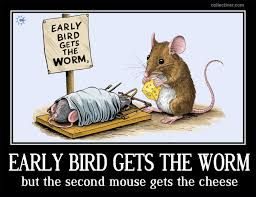
🐦 Early Bird or Second Mouse? A Lesson in Better Talent Decisions 🧀
We've all heard the sayings:
"The early bird gets the worm."
"The second mouse gets the cheese."
At first glance, they contradict each other.
One rewards speed.
The other rewards patience.
The truth?
Both are valuable.
The challenge is knowing which approach the situation demands.
Organizations face this decision every day.
Do you promote immediately or evaluate leadership readiness first?
Do you hire the first impressive candidate or continue assessing for long-term fit?
Do you react to turnover or proactively build a succession pipeline?
Sometimes being first creates competitive advantage.
Other times, the best decision comes from slowing down long enough to gather better evidence.
This is why leadership and talent decisions shouldn't rely solely on intuition.
Behavioral interviews, psychometric assessments, organizational diagnostics, and succession planning provide leaders with the information needed to determine whether speed or patience will produce the better outcome.
The objective isn't simply to make decisions quickly.
It's to make the right decisions.
Whether selecting a future executive, identifying high-potential talent, or preparing a succession map, organizations that balance decisiveness with evidence consistently outperform those driven by urgency alone.
Leadership Lesson
Good leaders make decisions.
Great leaders know when to decide and when to assess further.
Sometimes the early bird gets the worm.
Sometimes the second mouse gets the cheese.
Wisdom is knowing which opportunity you're facing.
Questions:
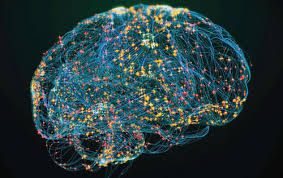
Lets Connect the Dots..
📰 Leadership Under Pressure: What The Post Teaches Us About Executive Judgment
One of the most compelling leadership moments in The Post (2017) occurs when Katharine Graham, publisher of The Washington Post, faces an extraordinary decision.
Publish the Pentagon Papers...
...and risk the future of the company, legal consequences, investor backlash, and her own reputation.
Or remain silent.
Her advisors are divided.
The pressure is immense.
The stakes couldn't be higher.
Then she calmly says:
"Let's go. Let's publish."
That decision wasn't simply courageous.
It demonstrated executive judgment under uncertainty.
Leadership isn't measured when decisions are easy.
It's measured when information is incomplete, risks are significant, and every option carries consequences.
This is why organizations increasingly evaluate leaders beyond technical expertise or tenure.
Leadership assessments can provide insight into characteristics that influence decision-making under pressure, including:
✔ Judgment and decision-making
✔ Emotional stability under stress
✔ Integrity and ethical leadership
✔ Openness to evidence and new information
✔ Confidence without overconfidence
✔ Willingness to accept accountability
Tools such as the NEO PI-3®, Leadership Styles Profile – Research Edition (LSP-R®), Leadership Character Insight Assessment (LCIA), and other evidence-based assessments help organizations better understand how leaders are likely to think, decide, and respond when faced with complexity.
No assessment can predict every future decision.
But they can provide valuable insight into the leadership characteristics that often distinguish thoughtful decision-makers from reactive ones.
Leadership Lesson
The greatest leadership decisions are rarely made with complete certainty.
They're made with sound judgment, ethical conviction, and the courage to accept responsibility for the outcome.
Because when the defining moment arrives...
The question isn't whether you'll have all the answers.
It's whether you've developed and objectively evaluated the qualities required to make the decision.
Questions:
One of the greatest lessons from Game of Thrones and House of the Dragon isn't about dragons.
Or swords.
Or politics.
It's about succession.
Entire kingdoms collapsed because rulers assumed the next leader would somehow emerge naturally.
They rarely did.
Instead, the Seven Kingdoms became a case study in what happens when organizations fail to answer questions every board and executive team should continually be asking:
• Who is actually ready to lead?
• Who merely wants power?
• Which candidates possess the judgment, emotional intelligence, integrity, and resilience required to govern?
• What organizational risks emerge when succession planning is ignored?
In Westeros, succession depended largely on bloodline, politics, military power, and public perception.
Modern organizations have something better.
Evidence-based leadership assessment.
Psychometric evaluations.
Structured executive interviews.
Leadership risk analysis.
Organizational diagnostics.
The Iron Throne might have looked very different if House Stark, House Targaryen, House Baratheon, House Lannister, and the Small Council had invested a little less in ravens and a little more in talent assessment.
Let's examine a few succession decisions...
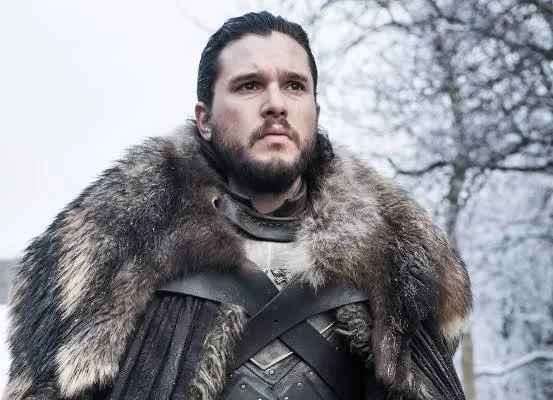
Jon never campaigned for power.
Others chose him.
His credibility had already been established long before he wore a crown.
Organizations frequently discover that their strongest leadership candidates aren't the loudest voices in the room.
They're the individuals whose integrity consistently earns trust.
Assessment considerations:
✔ Leadership Style (MLQ)
✔ Authentic Leadership (ALQ)
✔ Leadership Character Insight Assessment (LCIA)
✔ Emotional Intelligence (EQ-i 2.0)
Succession Lesson
The best successors are often identified by demonstrated leadership, not personal ambition.
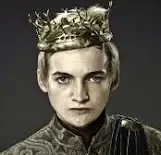
One of the defining moments in Game of Thrones occurs when King Joffrey unexpectedly orders the execution of Lord Eddard Stark.
The Small Council expected mercy.
His mother expected political leverage.
Varys and Littlefinger expected negotiation.
Even Cersei was caught off guard.
Instead, Joffrey acted impulsively.
One emotional decision ignited the War of the Five Kings.
This wasn't simply poor judgment.
It was a succession planning failure.
Joffrey inherited the Iron Throne because of perceived bloodline, not because anyone objectively evaluated whether he possessed the emotional maturity, judgment, temperament, or character required to rule.
Modern organizations occasionally make similar mistakes.
High performers, family members, founders' children, or technically brilliant employees are promoted into leadership without evaluating whether they're prepared for the responsibilities that accompany authority.
Leadership isn't merely about intelligence or confidence.
It's about judgment under pressure.
This is precisely why organizations use evidence-based leadership assessments, structured executive interviews, and leadership risk analyses before making high-impact promotion and succession decisions.
Assessment considerations:
✔ Leadership Character Insight Assessment (LCIA)
✔ Leadership Risk Analysis
✔ Risk Interview
✔ Sigma Leadership Development Report (LDR®)
✔ Emotional Intelligence (EQ-i 2.0®)
Succession Lesson
One poorly evaluated leadership appointment can create years of organizational instability.
Sometimes the most expensive succession decision isn't choosing the wrong strategy.
It's choosing the wrong successor.
Daenerys looked like the ideal successor.
Vision.
Confidence.
Resilience.
Charisma.
She inspired extraordinary loyalty.
Until she didn't.
King's Landing demonstrates why organizations evaluate not only leadership capability...
...but leadership stability under extreme pressure.
Derailment rarely appears during interviews.
It appears during crisis.
Assessment considerations:
✔ Leadership Risk Analysis
✔ NPQ
✔ Sigma LDR
✔ EQ-i 2.0
✔ Structured Executive Interview
Succession Lesson
Leadership capability means little if emotional regulation disappears when power is finally obtained.
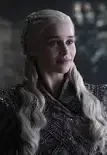
Leadership Requires More Than Legal Entitlement
Rhaenyra possessed legitimacy.
But legitimacy alone didn't guarantee acceptance.
Succession succeeds only when credibility, stakeholder confidence, political alignment, and organizational readiness intersect.
Organizations promoting technically qualified leaders often discover this same reality.
Competence isn't enough.
Others must trust the transition.
Assessment considerations:
✔ MLQ
✔ ALQ
✔ EQ-i 360
✔ Leadership Character Insight Assessment
Succession Lesson
Leadership succession depends as much on organizational acceptance as individual capability.
Lorem ipsum dolor sit amet, consectetur adipiscing elit. Nulla euismod condimentum felis vitae efficitur. Sed vel dictum quam, at blandit leo.
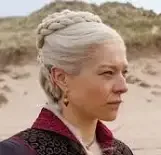
The Succession Plan That Existed Only on Paper
Viserys actually named a successor.
His mistake wasn't selecting one.
It was failing to align the organization around that decision.
No stakeholder buy-in.
No governance.
No accountability.
No transition strategy.
His succession plan died long before he did.
Modern organizations experience similar failures every day.
The successor is identified...
Yet no one prepares the organization.
Organizational diagnostics often reveal resistance, competing loyalties, communication failures, and cultural barriers long before transition occurs.
Assessment considerations:
✔ Organizational Diagnostics
✔ Stakeholder Interviews
✔ Leadership Readiness Assessment
✔ Organizational Climate Surveys
Succession Lesson
Succession planning isn't just selecting a successor.
It's preparing an organization to accept one.
Lorem ipsum dolor sit amet, consectetur adipiscing elit. Nulla euismod condimentum felis vitae efficitur. Sed vel dictum quam, at blandit leo.
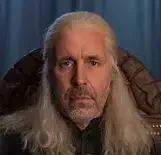
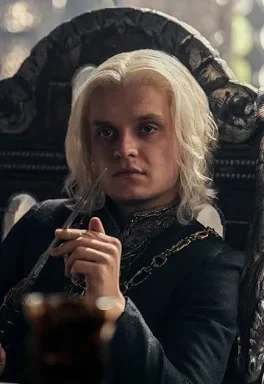
One of the most revealing succession conversations in House of the Dragon occurs after King Aegon II orders every rat catcher in King's Landing to be publicly hanged following the assassination of Prince Jaehaerys.
His response was emotional.
Highly visible.
Politically damaging.
Rather than strengthening confidence in the crown, it projected impulsiveness and poor executive judgment.
Then comes one of the series' most important leadership moments.
Otto Hightower, the Hand of the King and Aegon's grandfather, chastises him.
He tells Aegon that his actions have weakened the realm, squandered public sympathy, and undermined confidence in the monarchy.
Most telling of all...
Otto questions whether placing Aegon on the throne was the right decision in the first place.
It's a remarkable admission.
The Greens fought an entire civil war arguing that Aegon should rule primarily because he was the king's eldest son.
Yet once he actually became king...
His closest advisor realized bloodline alone had never been sufficient evidence of leadership capability.
Modern organizations face the same temptation.
Seniority.
Tenure.
Legacy.
Family ownership.
Technical expertise.
None of these automatically translates into executive readiness.
Leadership succession requires objective evaluation, not assumption.
Imagine if the Small Council had access to modern evidence-based assessment methods before the succession crisis unfolded.
Psychometric evaluations.
Leadership simulations.
Structured executive interviews.
Leadership risk analyses.
Organizational diagnostics.
Perhaps Westeros would have experienced fewer dragons... and fewer civil wars.
Assessment considerations:
✔ Multifactor Leadership Questionnaire (MLQ®)
✔ Authentic Leadership Questionnaire (ALQ®)
✔ Leadership Risk Analysis
✔ Sigma Leadership Development Report (LDR®)
✔ NPQ®
✔ Structured Executive Interview
✔ Organizational Diagnostics
Succession Lesson
Being first in line does not make someone first in leadership readiness.
The strongest succession decisions aren't inherited.
They're evaluated.
🏰
What Westeros Needed
Instead of relying exclusively on:
❌ Bloodline
❌ Political alliances
❌ Nepotism
❌ Public popularity
❌ Trial by combat...
Perhaps the Seven Kingdoms needed:
✔ Leadership Assessment
✔ Talent Evaluaation
✔ Succession Mapping
✔ Organizational Diagnostics of the Realms
✔ Risk Analysis
✔ Board Governance (Proper Small Council)
✔ Talent Reviews
It may not have prevented every dragon from burning cities...
But it probably would've reduced the number of family reunions ending in civil war.
Leadership Lesson
Otto Hightower's criticism of Aegon may be one of the greatest succession planning lessons in television history. The tragedy wasn't that Aegon became a poor king. The tragedy was that no one objectively evaluated whether he should have become king in the first place.
The greatest threat to an organization is rarely a lack of talent.
It's failing to objectively identify, prepare, and transition that talent before leadership changes become crises.
In Westeros...
The Iron Throne was inherited.
In modern organizations...
Leadership should be earned, evaluated, and prepared.
Questions:
One of the most powerful scenes in Lean on Me isn't about Joe Clark's bullhorn or his famous one-liners.
It's the confrontation between two longtime colleagues, a principal and a trusted supervisor.
They're friends.
They're professionals.
Yet in one emotionally charged conversation, frustration, disappointment, loyalty, and conviction all collide.
Their exchange also reflects the broader racial and social tensions of the era, reminding us that leadership rarely exists in a vacuum. Difficult conversations are often shaped by history, culture, identity, and competing perspectives.
The real lesson isn't that conflict occurred.
It's how each leader responded to it.
Leadership is revealed when disagreement becomes unavoidable.
This is why organizations increasingly evaluate leaders beyond technical competence or years of experience.
Evidence-based leadership assessments, along with proper evaluation, can help organizations understand how leaders are likely to communicate, influence, and respond when relationships are tested.
Tools such as the Multifactor Leadership Questionnaire (MLQ®) and the Authentic Leadership Questionnaire (ALQ®) provide insight into transformational leadership behaviors, ethical influence, transparency, and self-awareness, qualities that often determine whether difficult conversations strengthen relationships or damage them.
Equally important is understanding what happens when leaders are under sustained pressure.
Conflict has a way of exposing behaviors that remain hidden during calmer times.
This is where workplace derailment assessments become invaluable.
Within the Earth Domain of the Dr. Change Leadership & Talent Assessment Framework, instruments such as the Sigma Leadership Development Report (LDR®), Nonverbal Personality Questionnaire (NPQ®), structured Risk Interviews, and comprehensive Leadership Risk Analyses help organizations identify behavioral patterns that may emerge under stress, including rigidity, defensiveness, poor emotional regulation, ineffective communication, diminished trust, or other derailment risks that can compromise leadership effectiveness.
Because the greatest leadership risks rarely appear on a résumé.
They emerge during moments of pressure, conflict, uncertainty, and accountability.
The objective isn't to eliminate disagreement.
Healthy organizations expect disagreement.
The objective is to ensure leaders possess the emotional intelligence, authenticity, resilience, and character to navigate those moments without compromising people, relationships, or organizational culture.
Leadership Lesson
Conflict doesn't create character.
It reveals it.
The conversations that test us most often provide the clearest window into our leadership.
Questions:
In Avengers: Infinity War, Doctor Strange peers into 14,000,605 possible futures...
...and discovers only one path to victory.
It's one of the most memorable scenes in the Marvel universe.
It's also an excellent metaphor for leadership.
Every executive decision creates multiple possible futures.
Who should be promoted?
Who is ready to lead?
Which candidate should be selected?
Which succession path creates the greatest long-term value?
Which strategic decision carries the least organizational risk?
No leader can literally see 14 million outcomes.
But they can improve the quality of the decisions that shape them.
That's where evidence-based leadership assessment and talent evaluation come in.
Psychometric assessments, structured executive interviews, and organizational diagnostics don't predict the future.
They reduce uncertainty.
They provide objective insight into how leaders think, make decisions, respond to pressure, influence others, and adapt to complexity.
Tools such as the NEO PI-3®, Leadership Styles Profile – Research Edition (LSP-R®), and other evidence-based instruments help organizations move beyond intuition when making high-stakes talent decisions involving hiring, succession planning, executive selection, and leadership development recommendations.
Leadership can't know every possible future.
But it can have the best available evidence before choosing one.
Leadership Lesson
Doctor Strange didn't succeed because he could see every future.
He succeeded because he identified the one that mattered.
Organizations don't need clairvoyance.
They need better information.
Because the quality of tomorrow's leadership often depends on the quality of today's assessments.
Questions:
🕰️ Doctor Strange & the One Finger: A Lesson in Leadership Readiness
At the climax of Avengers: Endgame, Doctor Strange doesn't deliver a speech.
He doesn't take command.
He simply raises one finger.
No words.
Just a signal to Tony Stark that this is the one decision, among millions of possible outcomes, that will change everything.
That quiet gesture represents one of leadership's greatest responsibilities:
Knowing when someone else is ready to make the defining decision.
Doctor Strange's journey from evaluating 14,000,605 possible futures in Infinity War to silently identifying the one path that mattered in Endgame illustrates how disciplined analysis ultimately serves decisive action.
Leadership cannot control every outcome.
It can ensure the right people are prepared for the moments that matter most.
This is why organizations invest in evidence-based leadership assessment and evaluation.
Selecting future executives, identifying successors, and evaluating leadership readiness require more than impressive résumés or strong first impressions.
They require objective insight.
Psychometric assessments, structured executive interviews, and leadership evaluations help organizations understand whether individuals possess the judgment, emotional intelligence, resilience, and leadership characteristics needed before they're entrusted with high-stakes responsibility.
Assessments such as the California Psychological Inventory™ (CPI™ 434), EQ-i 2.0®, Sigma Leadership Development Report (LDR®), and other evidence-based instruments provide valuable insight into leadership capability, interpersonal effectiveness, decision-making, and potential derailment risks that may emerge under pressure.
No assessment can tell you who will save the universe.
But they can substantially improve the quality of decisions surrounding executive selection, succession planning, and leadership development investments.
Leadership Lesson
Doctor Strange didn't make the final decision.
He ensured the right person was prepared to make it.
The greatest leadership decisions often begin long before the defining moment arrives.
They begin with selecting, assessing, and preparing the leaders who will eventually face it.
Questions:
There's more to you than meets the eye.

We need your consent to load the translations
We use a third-party service to translate the website content that may collect data about your activity. Please review the details in the privacy policy and accept the service to view the translations.